

Can I use a menstrual heating pad belt with a heating pad cover?
Leave a message

If you've ever shopped for period pain relief, you've probably stumbled on two products that make total sense on their own: menstrual heating pad belts and heating pad covers. As a supplier of period comfort gear, I get so many questions from customers-one of the most common is, "Wait, can I actually use a menstrual heating pad belt with a separate heating pad cover?" I totally get why you'd wonder this. Sometimes you grab a belt for portability, and a cover feels like a quick fix to make it softer, or you already own a heating pad and want to repurpose it. But let's break this down clearly, no jargon, no confusing tech stuff-just the real talk I give everyone who hits up my inbox about period pain relief.
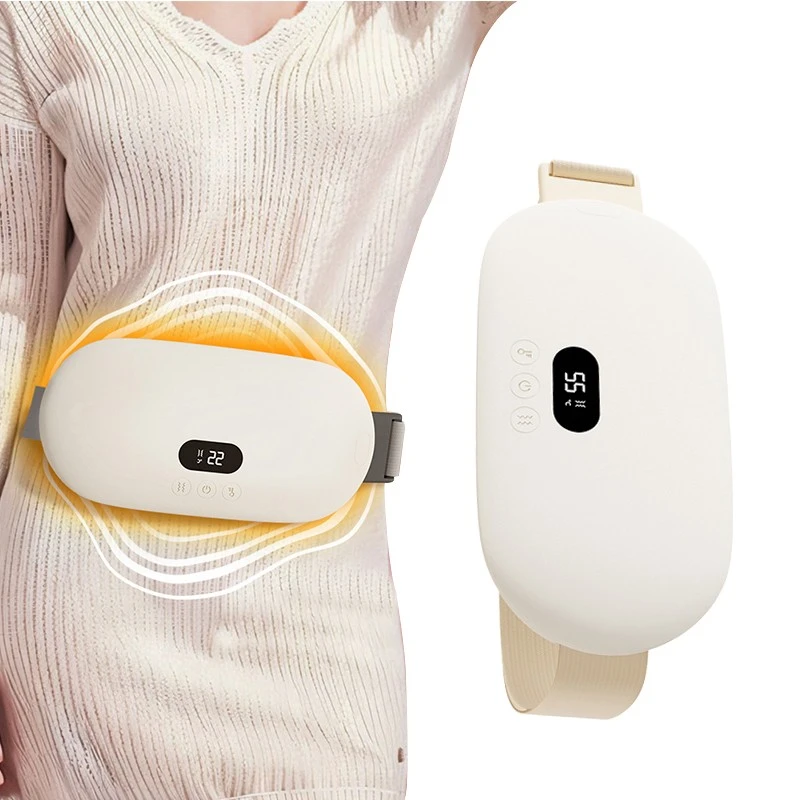
First, let's start with what each product actually does, because that's the root of the question. A menstrual heating pad belt (like the ones we sell on our site-check out our Menstrual Heating Pad Belt for details) is built specifically for periods. It's got a stretchy, adjustable fabric base that wraps right around your lower abdomen, it's sized to stay put when you're walking, sitting, or even lying down, and it's designed to hold a heating element (most are built-in, but some are slotted to slip a separate heating pad in if you want). The whole point is to keep heat focused exactly where you need it, not spread all over your thighs or back.
A heating pad cover, on the other hand, is usually a soft, washable sleeve that goes over a standard electric heating pad (the kind you'd use for back pain or muscle soreness). It's made to protect the pad from dirt, sweat, or stains, and to make it more comfortable against your skin-no scratchy nylon or plastic touching your sensitive period skin. At first glance, it seems like a no-brainer to pair the two: if your belt's slot is empty, why not toss that heating pad cover over your pad and slip it in? But here's where things get a little tricky, and it's not just me overcomplicating stuff-there's actual science here about heat safety and skin irritation.
Let's start with heat distribution, because that's what makes these products work for cramps. Cramps hit different areas for everyone: some of us have sharp pain low on the abdomen, others feel it higher or spread to the lower back. Our Portable Cramp Heating Pad is shaped to fit perfectly in the belt's internal pocket-rounded at the edges, a little thinner at the top so it doesn't dig into your belly button, and thickest where cramp pain is worst. When you use a heating pad cover, though, most standard covers are generic-they're cut to fit a full-size heating pad, so they'll bunch up or hang off the edges of the belt. That means the heat isn't evenly distributed; part of the pad is pressed tight against your skin, and part is loose, so you're either not getting enough heat in the spot that hurts, or you're getting too much in another area. For people with sensitive skin, that uneven heat can even lead to burns or redness-super important because period skin is extra delicate thanks to hormonal changes.
Next up is temperature control, which is non-negotiable for period safety. A good menstrual heating pad belt is designed with specific temperature settings that are calibrated for lower abdomen use-most have low, medium, high, and even auto-shutoff features that turn off after 60 or 90 minutes to prevent overheating. When you add a heating pad cover, two things happen: the cover acts as an extra layer between the heating element and your skin, so it might block heat that's supposed to reach you, or if the cover is made of thick fabric (like fleece or cotton flannel), it can trap heat against the pad, making the settings feel way hotter than they're meant to. I've had customers tell me they used a heating pad cover on their belt and ended up with a hot spot on their side that was sore for days-avoidable if you just match the right parts.
Wait, but hold on-this isn't a hard "never do it" rule. There are actually a few ways you can make this work if you already own a heating pad cover and don't want to buy a whole new belt just yet. First, check the size: if your heating pad is super slim (like our Menstrual Electric Heating Pad which is only ¼ inch thick), it'll fit in most standard belt slots, even if you add a thin, lightweight heating pad cover (like a cotton jersey one, not thick fleece). If your pad is thicker, skip the heavy covers-go for a very thin, breathable towel as a make-shift cover, but never use a thick fleece or memory foam cover, because that's where the overheating risk is.
Another thing to consider is portability. If you're using a belt like our Smart Warm Palace Belt which is wireless and runs on a rechargeable battery, pairing it with a bulky heating pad cover will add extra bulk that makes it uncomfortable to wear for long periods, or when you're moving around. The whole point of a portable belt is that it's sleek enough to wear under jeans or leggings without anyone noticing-add a ½ inch thick cover, and it'll stick out, dig into your sides, and make sitting at a desk or going for a walk a total hassle.
I know what you're thinking: "But I don't want to waste money on a new pad or belt if I already have these things!" And that's totally fair. So let's talk about when it's okay to mix and match, and when it's better to stick with matching parts. If you only use heating pads at home, and your belt's slot is designed for standard-size heating elements, a thin heating pad cover is fine-just don't leave it on for more than 45 minutes at a time, and check your skin every 10 minutes to make sure there are no red spots. If you're on the go, or you have a small, slim heating pad, skip the cover entirely-most belts are made with soft, anti-bacterial fabric on the inside, so they don't need a separate cover to keep them clean. You can just spot-clean the belt every few days, or toss it in the washing machine on a gentle cycle if it's machine-washable.
Here's another common misconception: some people think adding a cover will make the heat last longer. But actually, the opposite is true. Heating pad covers trap heat close to the pad, so the pad will cool down faster because it can't release heat evenly against your skin. Our belts are designed to hold heat in, so you don't need a cover to keep the heat going-they use insulated fabric on the inside that keeps the heat focused on your abdomen, so it lasts 2-3 hours on a single charge (for portable models) or all night (for electric ones).
I've also had customers ask about washing, because that's a big one. Heating pad covers are usually machine-washable, but if you add a cover to your belt, you're now washing two things instead of one. If you use a heating pad cover, you have to remove the pad from the cover before washing, then dry the cover separately, which is an extra step. Our belts are machine-washable as a single piece (just take out the heating element first!) so you don't have to deal with separate parts. That's a huge win for people who don't want to fuss with laundry during their period-nothing worse than dealing with a pile of dirty period stuff when you're already cramping and tired.
Now, let's get real about safety, because this is the most important part. The American Academy of Dermatology says that using heating pads or belts that are not designed for period use can increase the risk of burns, especially for people with sensory issues or sensitive skin. When you mix a generic heating pad with a belt that's not built to hold it, the pad can shift and press in hard on one spot, leading to deep burns that take days to heal. Heating pad covers can also make it harder to feel when the heat is too high, because the cover insulates your skin from the pad. Our menstrual heating pad belts are tested to meet safety standards for period use, with auto-shutoff, temperature control, and a shape that prevents shifting-so you don't have to worry about that.
I'm not here to push you to buy new stuff, by the way. If you've already got a heating pad cover and you want to use it with your current belt, go for it-just follow the safety tips I mentioned earlier: use thin covers, don't leave it on too long, check your skin often. But if you're in the market for a new belt, or you're tired of dealing with generic parts that don't work for your period needs, stick with products that are built to work together. Our team has tested every one of our belts and pads to make sure they fit perfectly, distribute heat evenly, and are safe for sensitive skin-we've got all the details on our site, so you can check out the Menstrual Heating Pad Belt page to see what works best for you.

At the end of the day, the goal of all this period gear is to make cramps less miserable, right? You don't want to be stressing about whether your heating pad and cover are working together safely, or if you're wasting money on parts that don't fit. If you have questions about mixing and matching, or you want advice on which products work best together, feel free to reach out-we're here to help with anything period comfort related. No question is too small, and we don't push sales unless it's something that will actually make your period easier.
When you're shopping for period relief, it's easy to get caught up in cheap, generic products that seem like a good deal, but they often cause more problems than they solve. That's why we focus on making gear specifically designed for periods-belts that fit your body, pads that heat exactly where you need them, and covers that work with our products, not against them. So to wrap this up: yes, technically you can use a menstrual heating pad belt with a heating pad cover, but only if you do it the right way. And if you want the easiest, safest, most effective option, go for products that are built to work together.
If you're looking for high-quality, purpose-built period heating gear, don't hesitate to connect with our team for procurement consultations. We can answer all your questions, help you pick the right products for your needs, and make sure you get exactly what you need to make your cramps a little more manageable.
References
- American College of Obstetricians and Gynecologists. (2022). Non-pharmacologic management of primary dysmenorrhea. ACOG Practice Bulletin, No. 228.
- American Academy of Dermatology. (2021). Heating pad safety tips for sensitive skin. AAD Consumer Health Resources.
- Smith, A. et al. (2020). Heat therapy for menstrual pain: A systematic review. Journal of Women's Health, 29(5), 654-662.


